
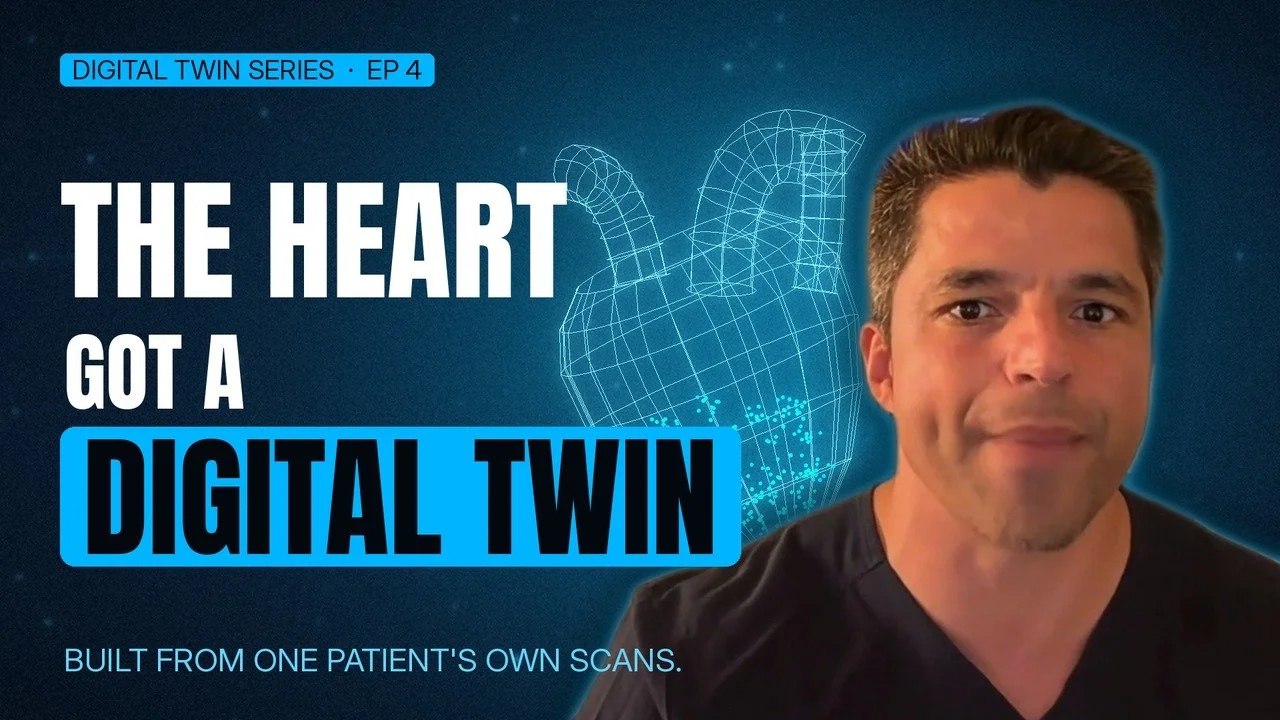
The Heart Gets a Twin: What a 2020 Cardiology Paper Says About Digital Twins
A virtual copy of one patient’s heart, built from their data and the laws of physiology. What the 2020 paper argues, and what it admits.
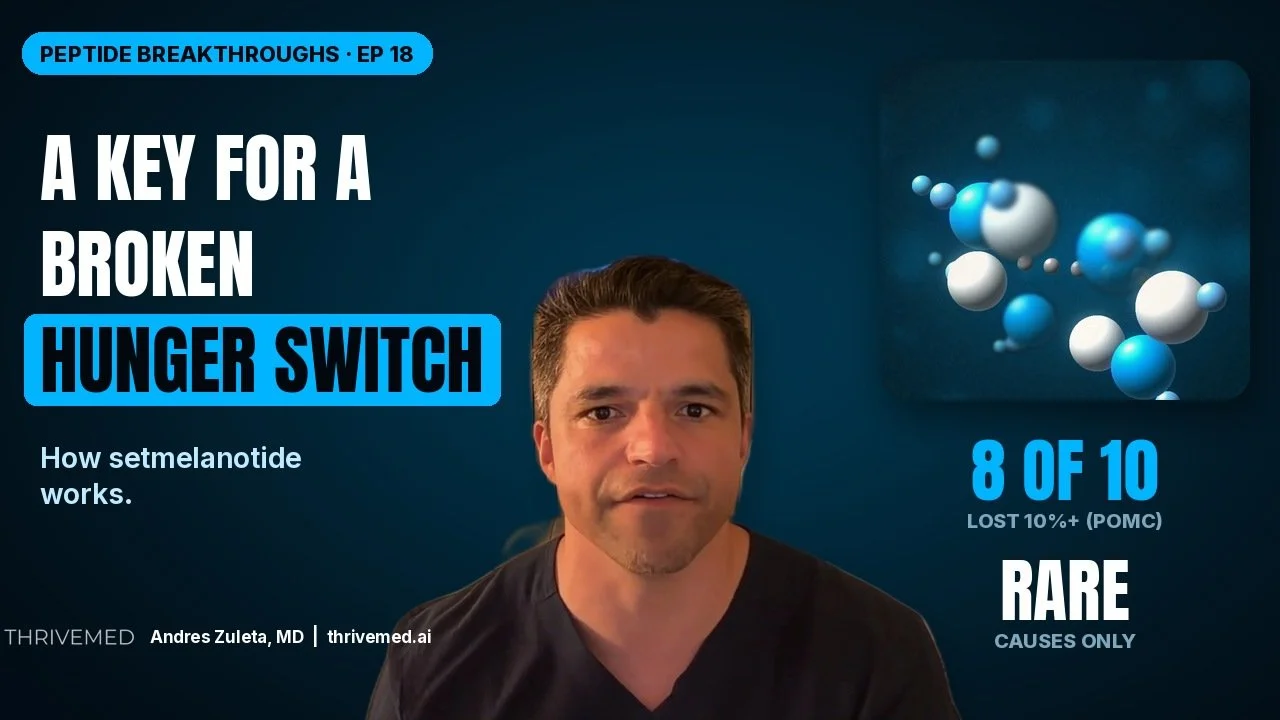
A Peptide for a Broken Hunger Switch: How Setmelanotide Works
For some children, the signal that says enough never arrives. Here is the peptide built to switch it back on, and why it only works for a few rare causes.
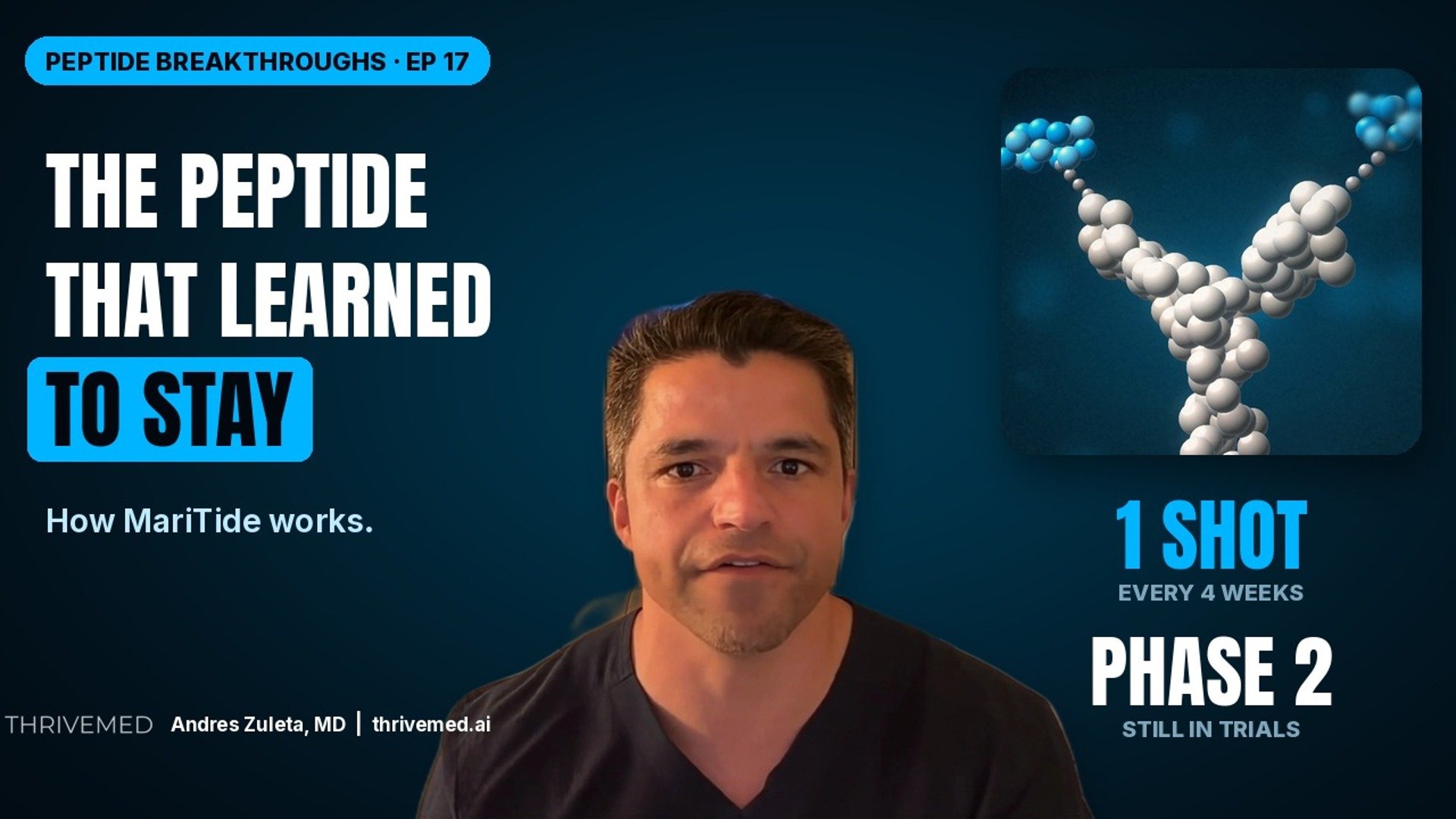
The Peptide That Learned to Stay: How MariTide Works
Most GLP-1 medicines are taken every day or every week. Here is how scientists built one that is being tested once a month.
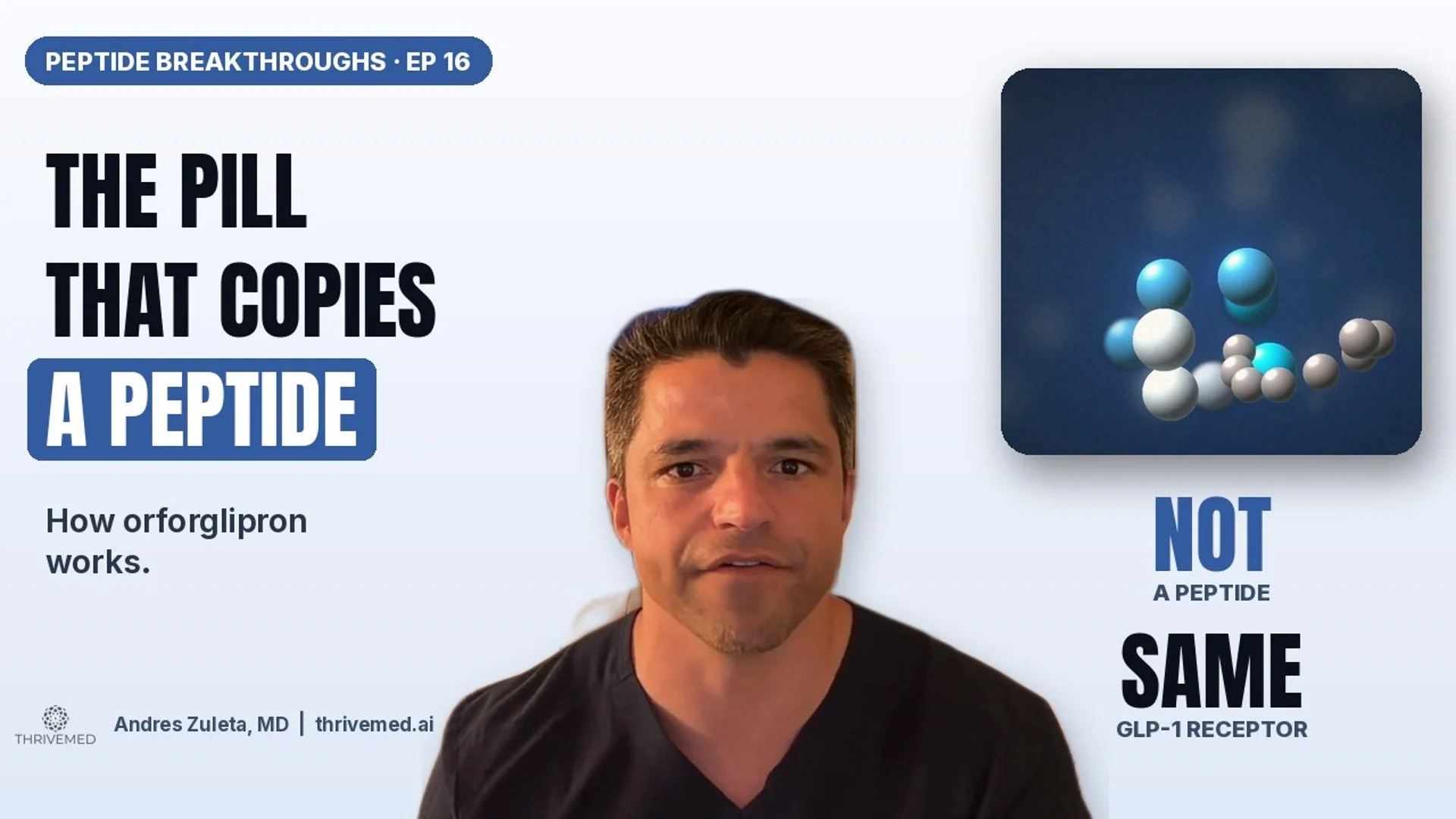
The Pill That Copies a Peptide: How Orforglipron Works
Every GLP-1 medicine used to be a peptide. Here is how chemists built a small molecule that does the same job.
The Peptide That Survived the Stomach: How Semaglutide Became a Pill
For a hundred years, peptide medicines had to be injected. Here is how one finally made it through the stomach.
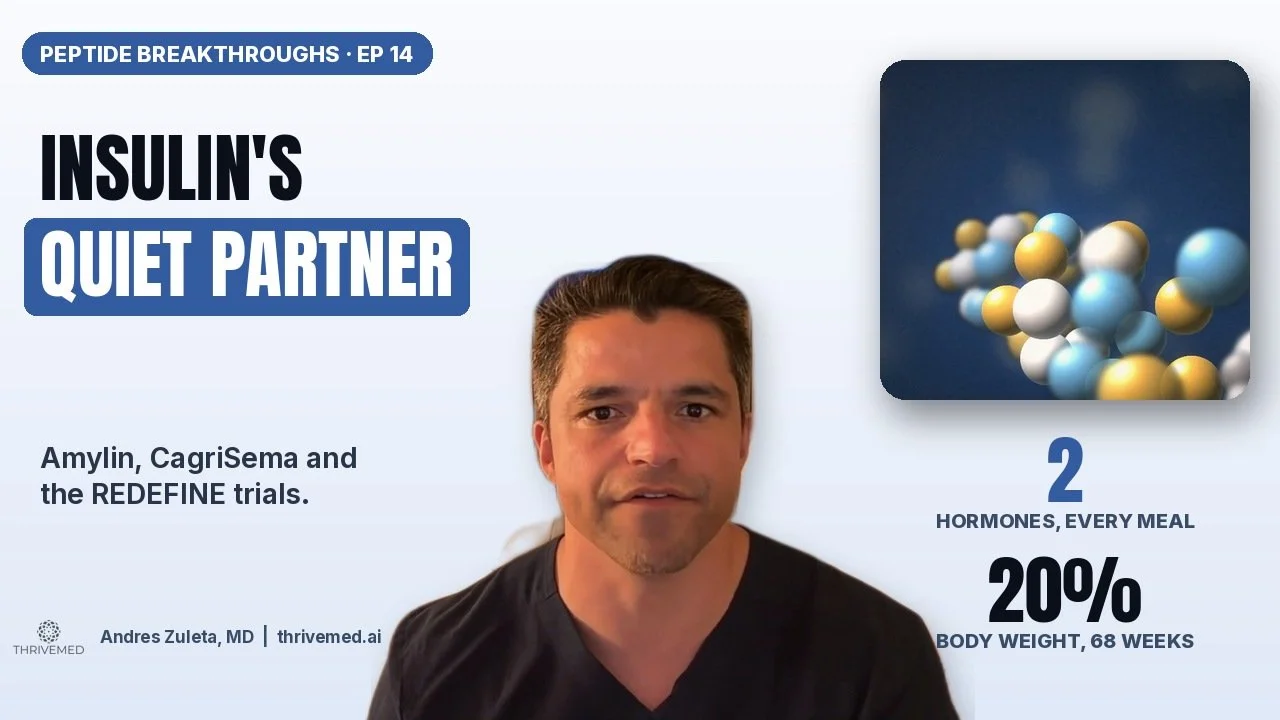
Insulin’s Quiet Partner: Amylin, CagriSema and What the REDEFINE Trials Found
Every time your pancreas releases insulin, it releases a second hormone. Meet amylin, and what the newest trials found.
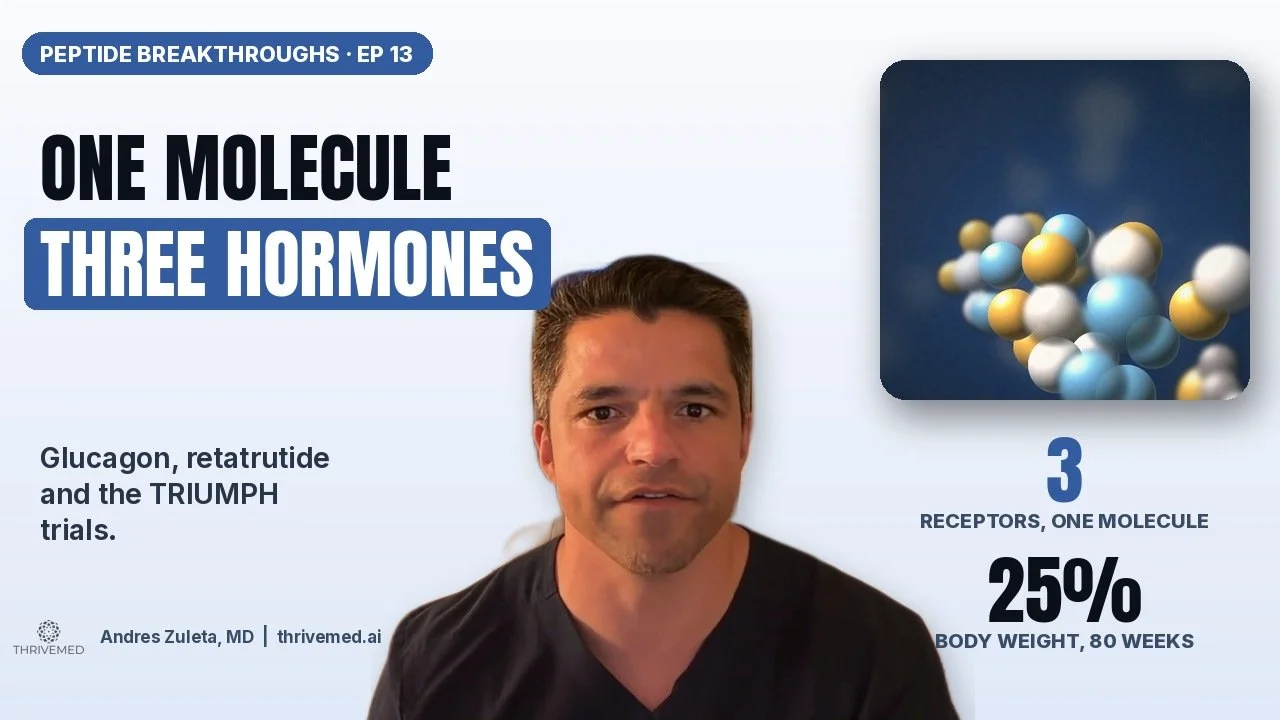
One Molecule, Three Hormones: Glucagon, Retatrutide and What the TRIUMPH Trials Found
Glucagon raises blood sugar, so why put it in a weight medicine? The story of the third voice, and what the newest trials found.
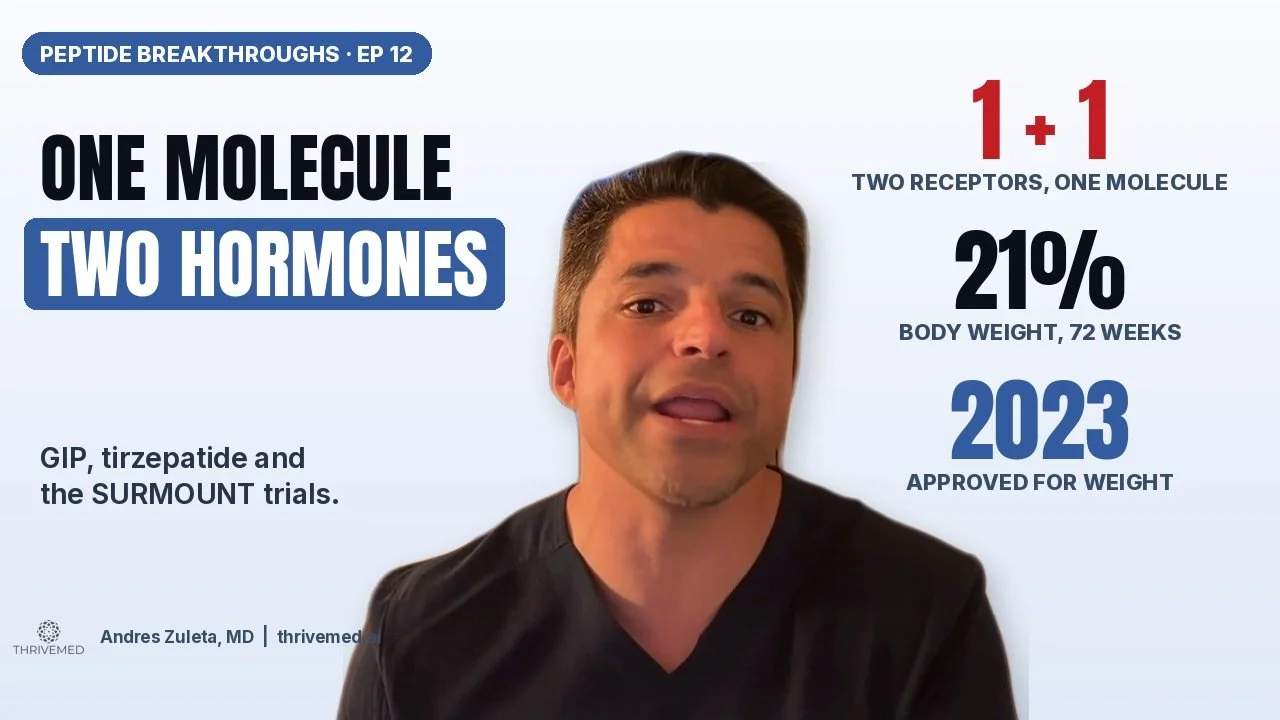
One Molecule, Two Hormones: How GIP Came Back in Tirzepatide (and What the SURMOUNT Trials Found)
Your gut sends two insulin messages after a meal. One was written off for years. Here is how it came back as half of a single molecule.
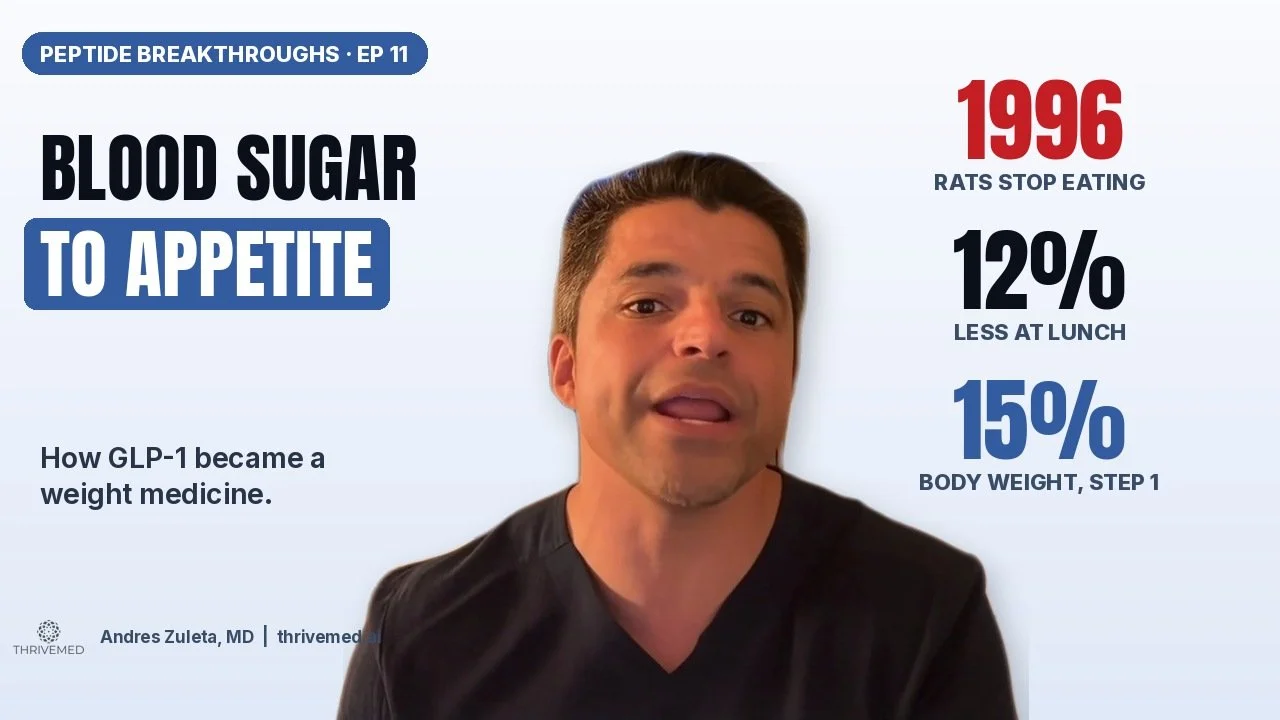
From Blood Sugar to Appetite: How GLP-1 Became a Weight Medicine (Liraglutide, Semaglutide and the STEP Trials)
A medicine made for blood sugar turned out to change hunger. The rats in London, the lunch in Copenhagen, the STEP trials, the honest part and two ideas you can use.
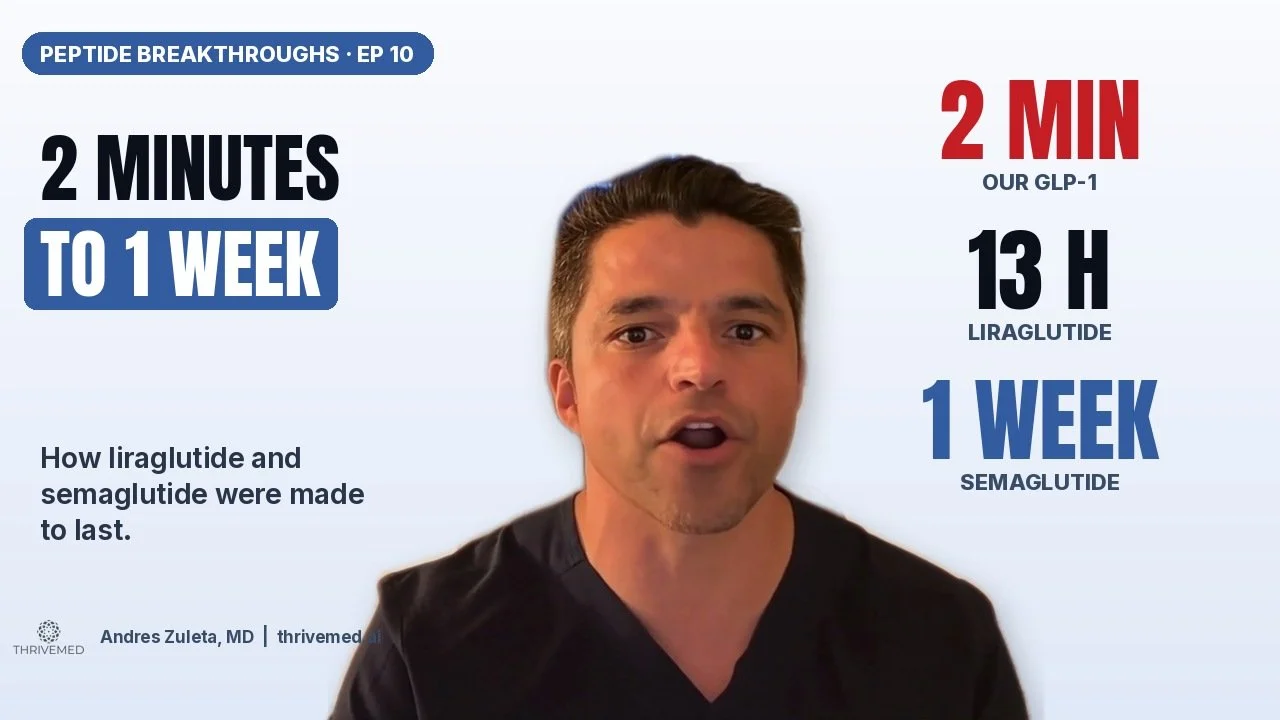
A Day, Then a Week: How Fatty Acids and Albumin Made GLP-1 Last (Liraglutide and Semaglutide)
Our own GLP-1 lasts a minute or two. Liraglutide lasts about 13 hours, and semaglutide about a week. The trick was a protein already in our blood. The full story, the honest part and two ideas you can use.
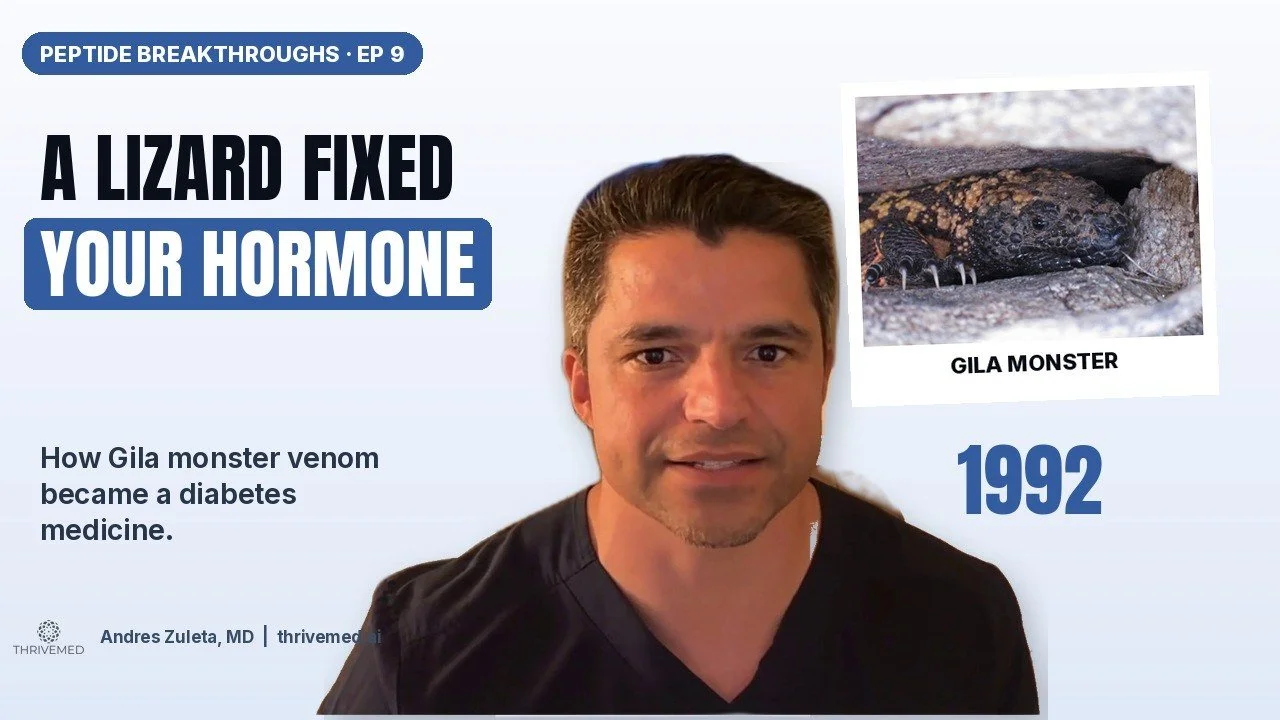
The Lizard That Fixed GLP-1: Gila Monster Venom and Exendin-4 (1982 to 2005)
Your own GLP-1 lasts a minute or two. A peptide in Gila monster venom lasts for hours. The story of exendin-4, from a 1982 venom experiment to a 2005 medicine, with the honest part and two ideas you can use.
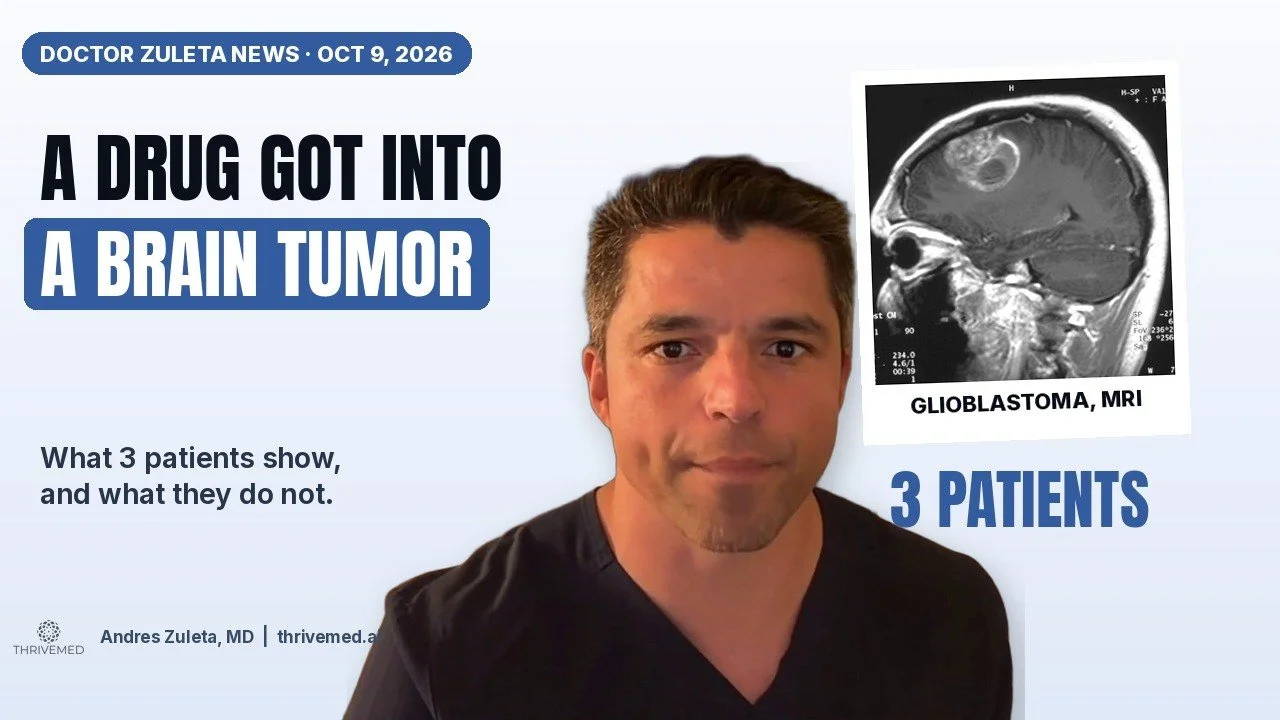
A Cancer Drug Reached Brain Tumors in 3 Patients. What That Does and Does Not Mean
On October 9, 2026, Oncopeptides reported that its drug melflufen was found inside the brain tumors of the first three patients in a small Oslo study. Here is what that means, what it does not, and the questions worth asking.
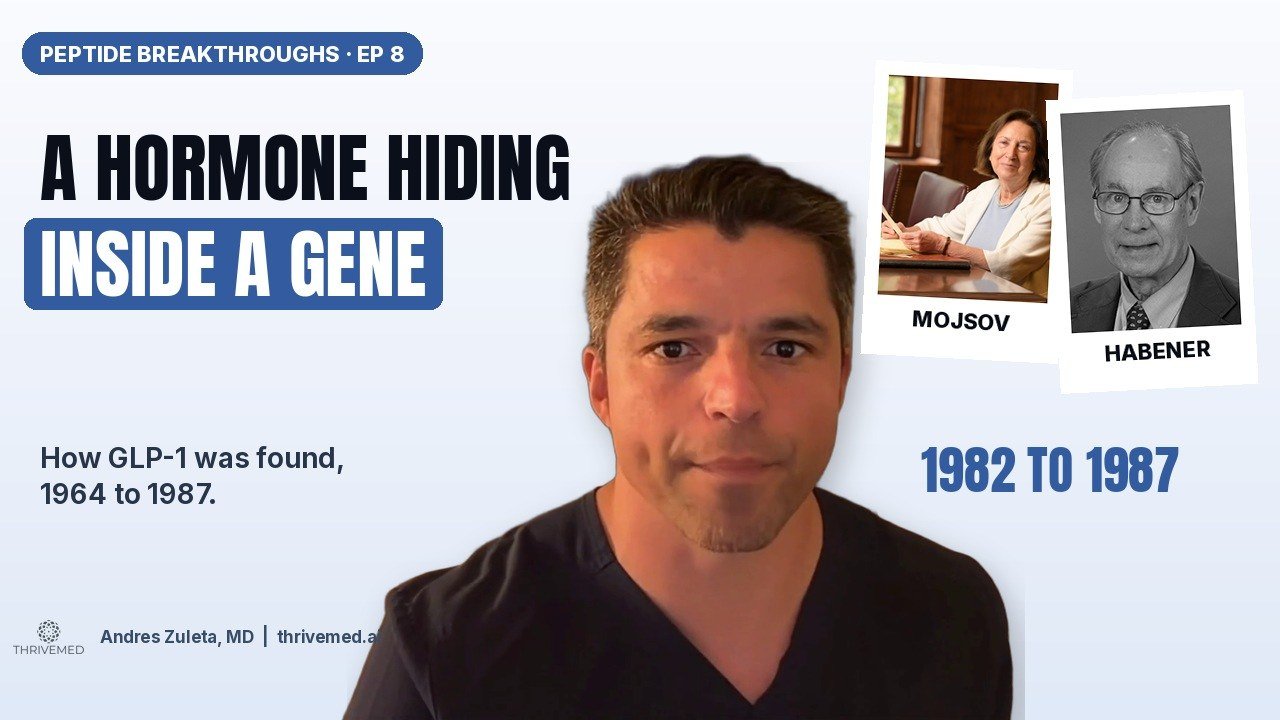
A Hormone Hiding Inside a Gene: How GLP-1 Was Found (1964 to 1987)
In 1983, a chemist looked at a printout of a gene and saw what others had missed. The story of GLP-1, from a 1964 puzzle to three labs in 1987, with the honest part and two ideas you can use.
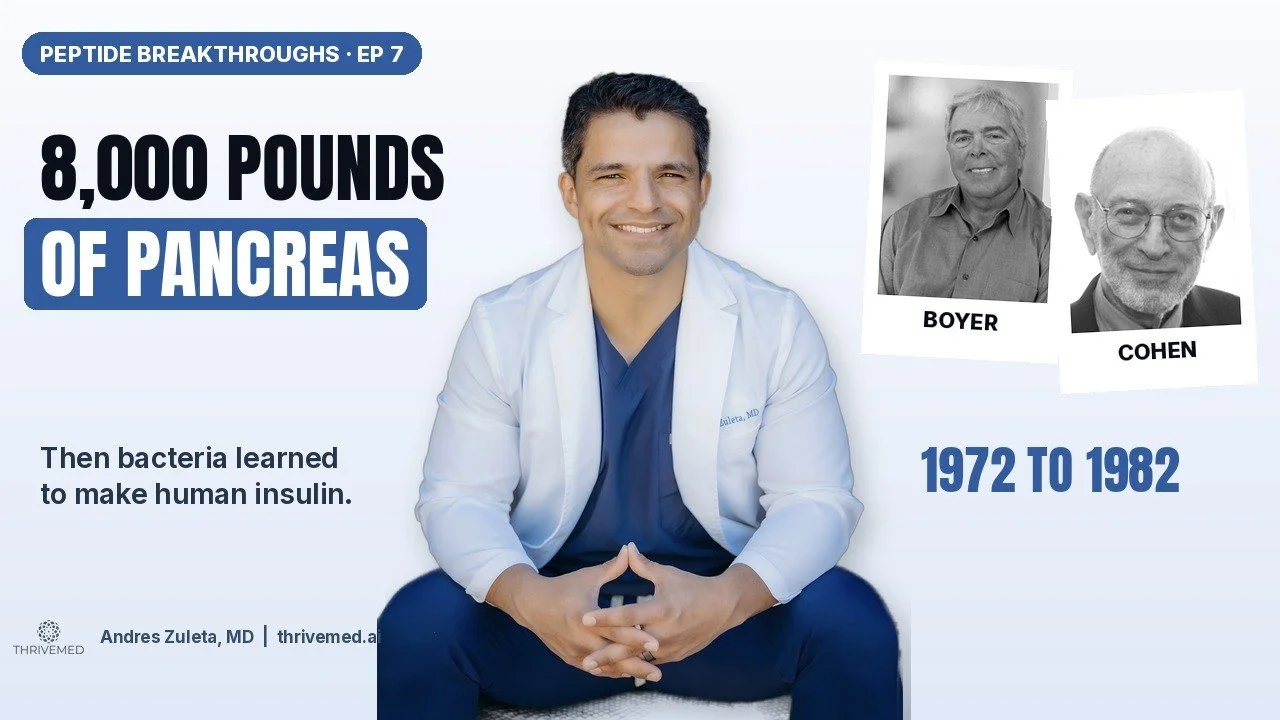
8,000 Pounds of Pancreas for One Pound of Insulin: When Bacteria Started Making Human Insulin (1972 to 1982)
In 1972 two scientists sketched a plan on deli napkins. Ten years later, bacteria were making human insulin, the first medicine made with recombinant DNA. The story, the honest part, and three ideas you can use.
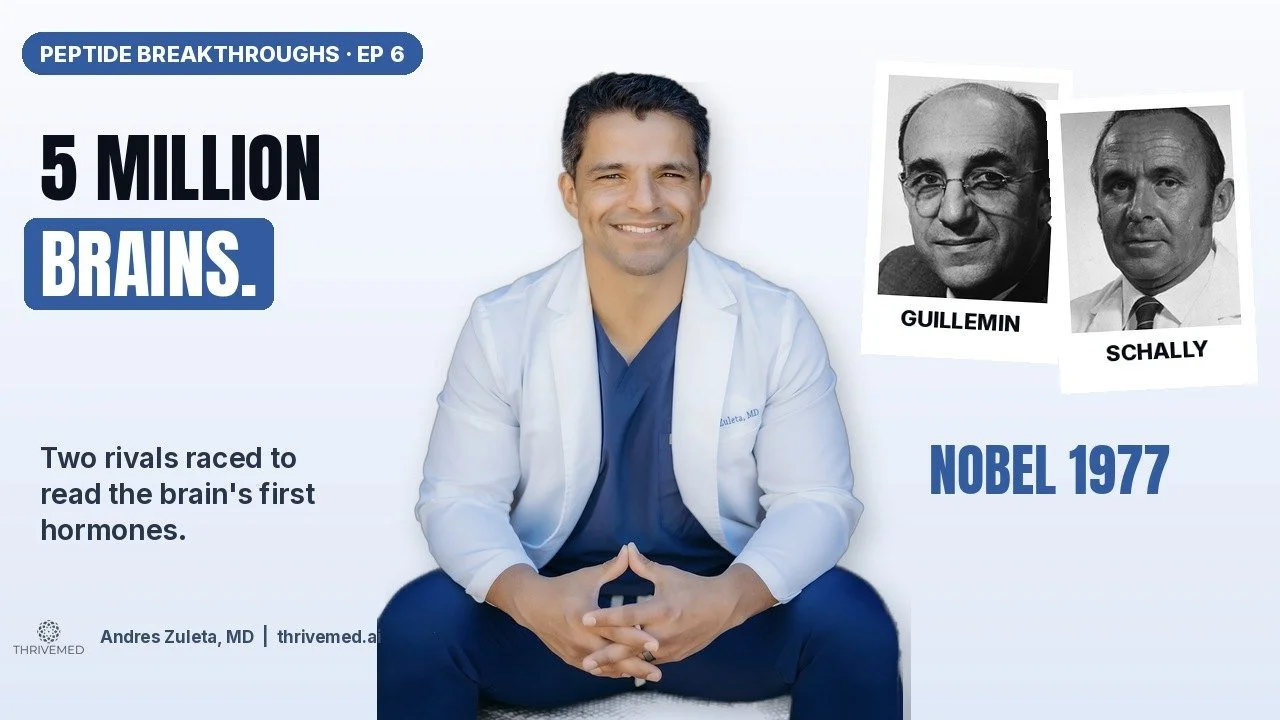
300,000 Brains for One Milligram: The Race to Find the Brain’s Hormones (1969 to 1977)
Two rival labs worked through millions of sheep and pig brains to decode the hormones your brain sends your pituitary. The race, the physicist who learned to measure them, today's medicines and their limits, and three ideas you can use.
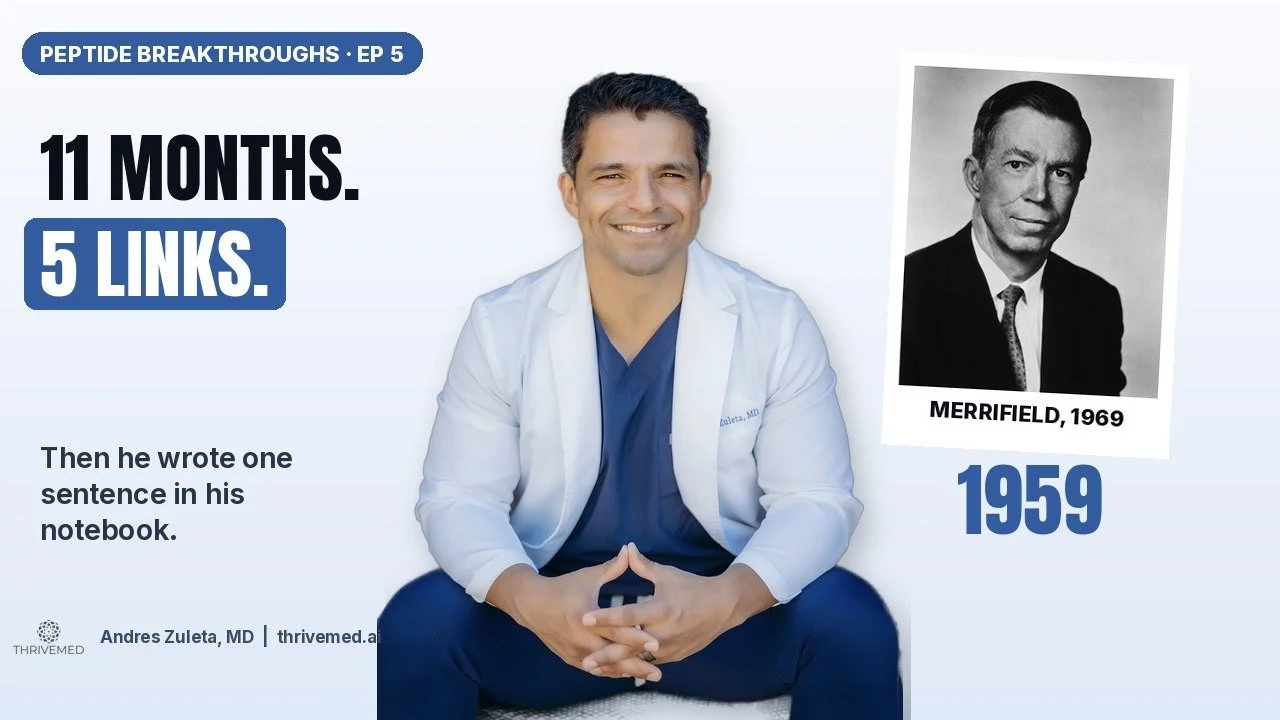
Who Figured Out How to Build Peptides? Bruce Merrifield and the Bead, 1963
In 1959 Bruce Merrifield spent 11 months building a chain of five amino acids. His fix, a tiny resin bead, turned every step into a rinse and won the 1984 Nobel Prize. The story, the honest limits, and two ideas you can use.
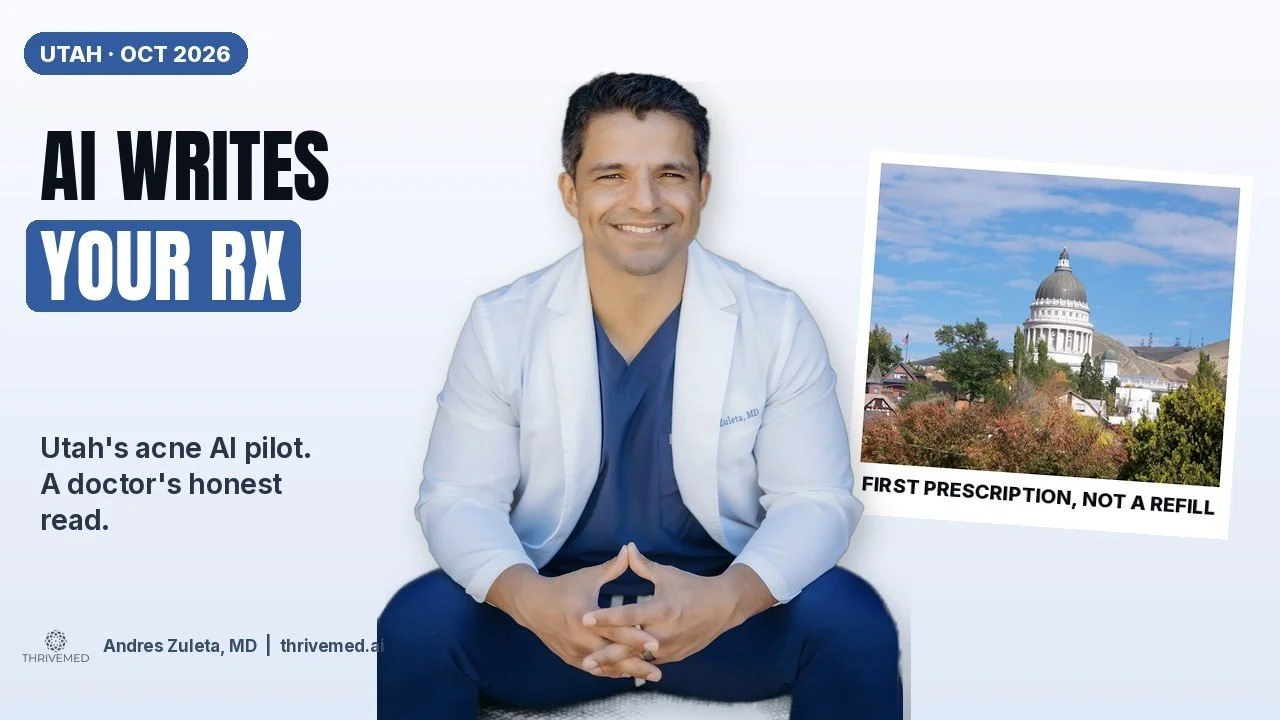
Would You Let an AI Prescribe Your Acne Cream? What Utah Just Allowed, and What It Means for You
A new breakout, a two month wait, and now an app that can write the first prescription. What Utah allowed on October 5, 2026, how the AI picks a cream, the real guardrails, the honest limits, and four things you can do.
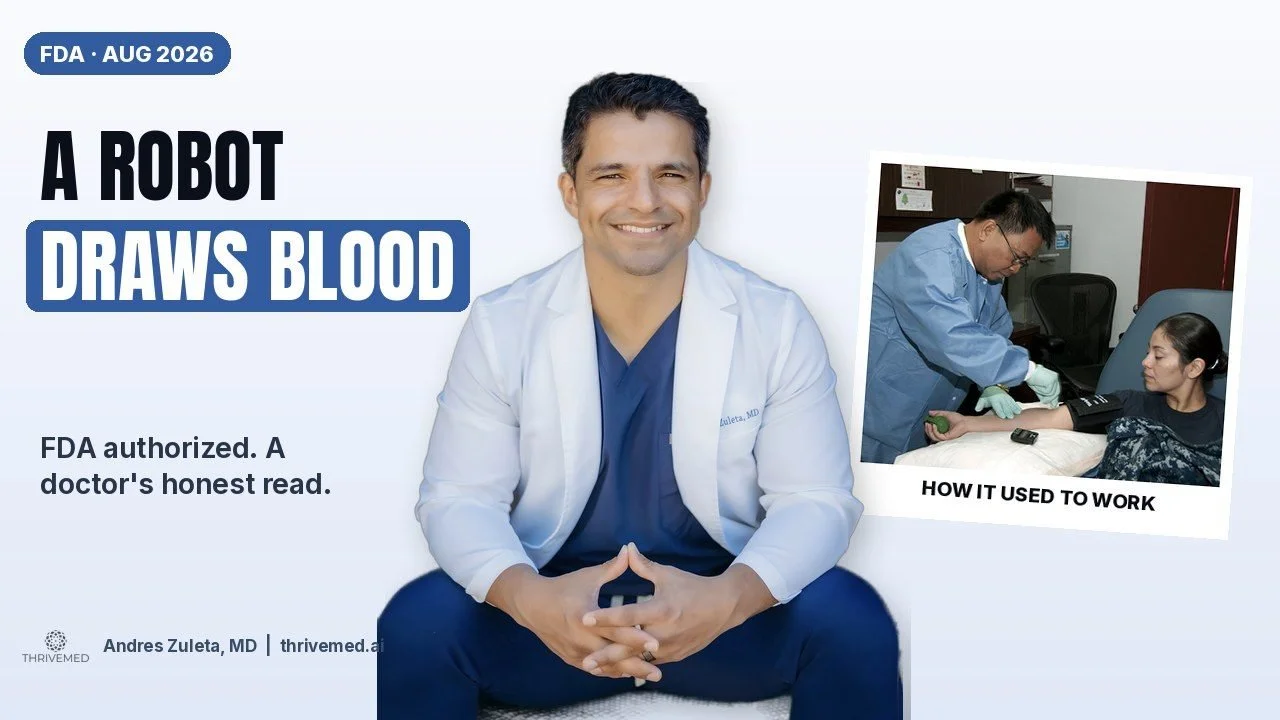
Would You Let a Robot Draw Your Blood? What the FDA Just Authorized, and What It Means for You
The nurse taps your arm and says, let's try the other side. On August 19, 2026, the FDA authorized a robot to take that turn. How it works, what the evidence shows, the honest limits, and four things you can do at your next blood draw.
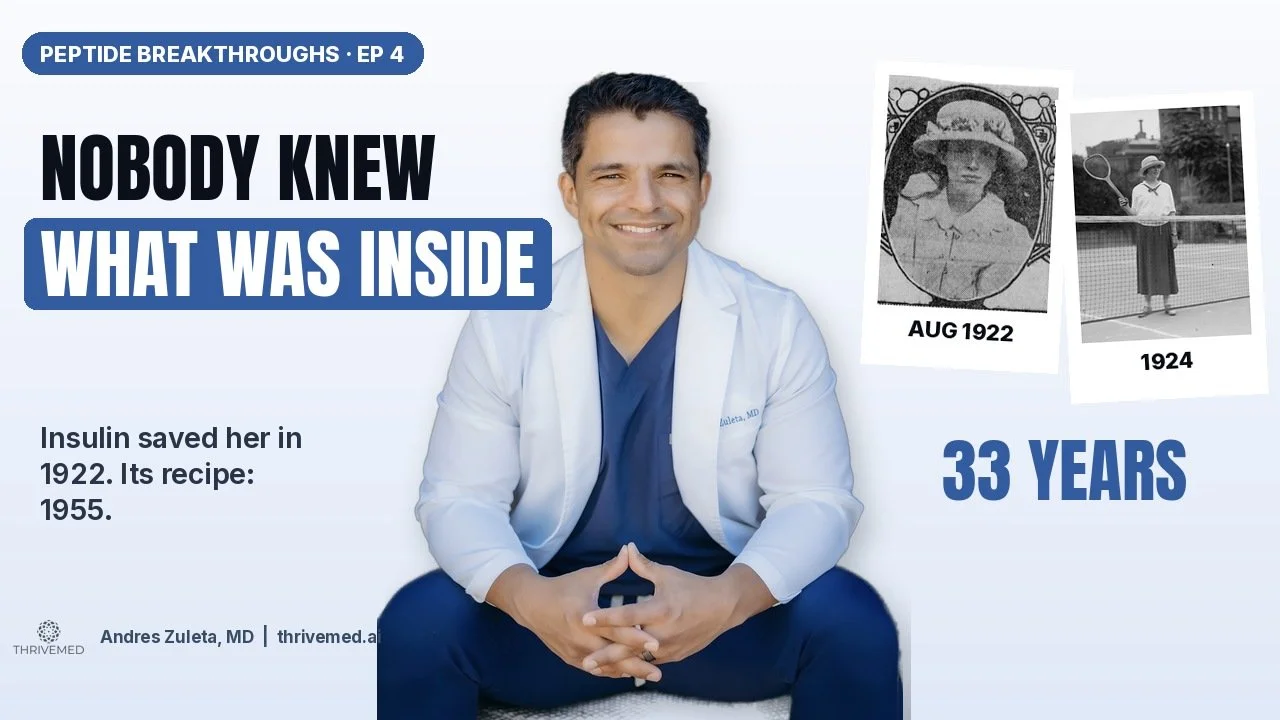
What Was in the Medicine That Saved Elizabeth Hughes? The First Protein Ever Read
In 1922 Elizabeth Hughes trusted her life to insulin, a medicine nobody could describe. In 1955 Fred Sanger read it, letter by letter: 51 amino acids in one exact order. The story, the honest limits, and two ideas you can use.
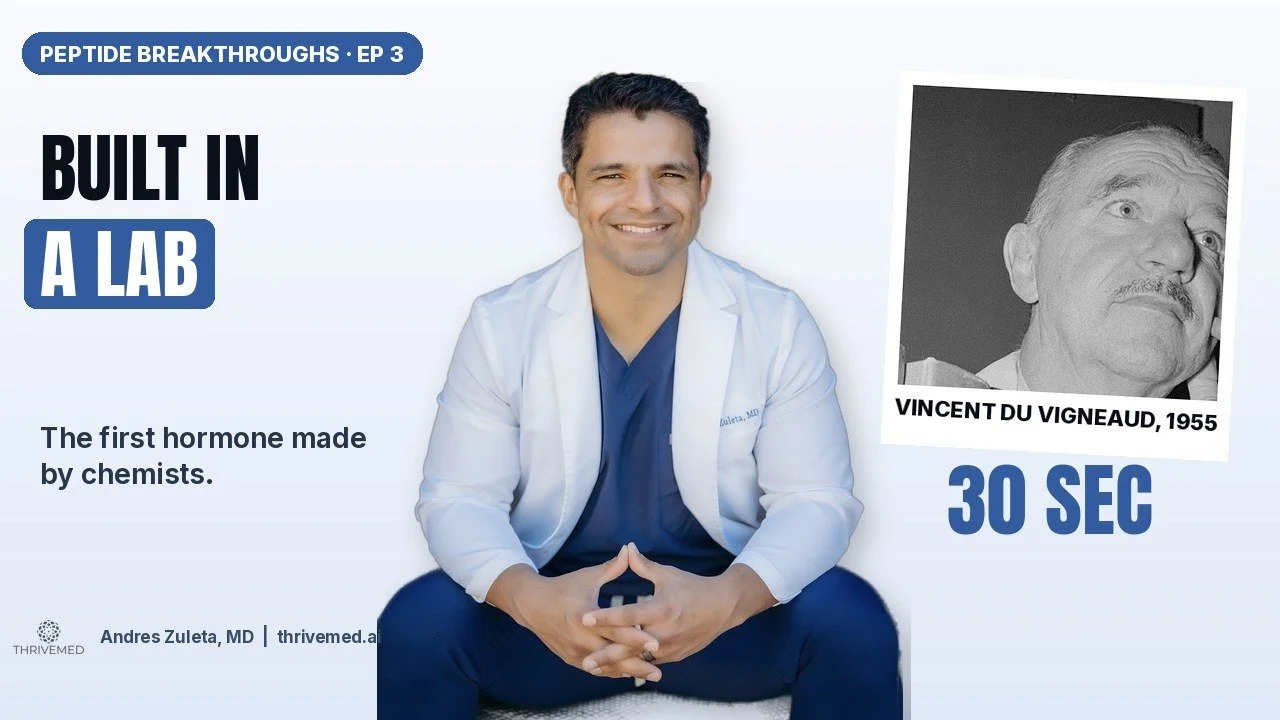
The First Hormone Built by Chemists, and the Mothers Who Proved It Worked
In 1953 Vincent du Vigneaud’s team built oxytocin, the first peptide hormone made by chemists. In new mothers it could not be told apart from the real hormone. The story, the honest limits, and two ideas you can use.